 5240 Spring Mountain Road B
 (702) 368-2886
 Find Us
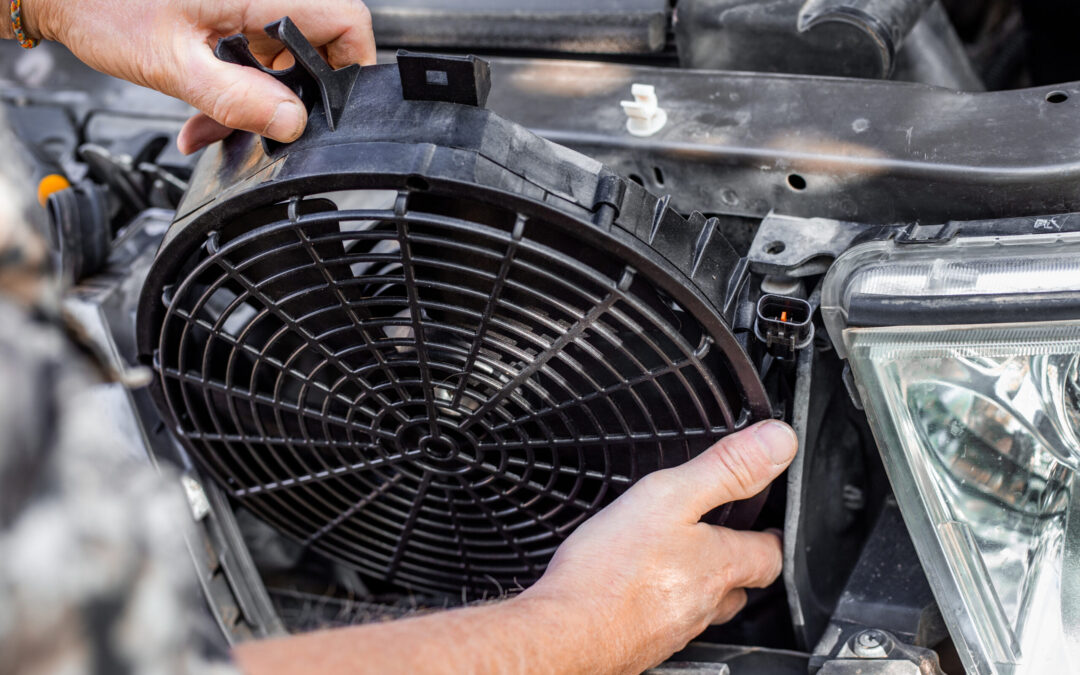
Las Vegas is one of the most demanding environments on the planet for a car’s cooling system. Summer temperatures routinely climb above 110°F, and even in spring and fall, ambient heat puts continuous strain on engines and the systems designed to keep them at a safe operating temperature. For BMW owners in the Las Vegas area, the cooling system isn’t just a routine maintenance item — it’s one of the most important and failure-prone systems on the vehicle, and neglecting it can lead to catastrophic and expensive engine damage.
At Paladin Automotive, we specialize in European auto repair and maintenance for Las Vegas drivers, and BMW cooling system issues are among the most common concerns we see in our shop. Many of these failures are preventable with the right knowledge and a proactive service schedule. Whether you drive a 3 Series, 5 Series, X5, or any other BMW model, understanding your vehicle’s cooling system — and recognizing the warning signs before a failure occurs — can save you thousands of dollars in repairs.
How BMW Cooling Systems Work
BMW cooling systems are engineered to maintain the engine at a precise operating temperature — typically between 190°F and 230°F — regardless of outside conditions. The system circulates coolant through the engine block and cylinder head, absorbing heat, and then routes it through the radiator, where that heat is dissipated into the surrounding air before the cooled fluid loops back through the engine again.
Key components include the water pump, thermostat, radiator, expansion tank, coolant hoses, and the cooling fans. On many modern BMW models, the water pump is electrically driven rather than belt-driven, which gives the car’s computer more precise control over coolant flow — but also introduces an additional electronic component that can fail. BMW also uses plastic components extensively in the cooling system (expansion tanks, thermostat housings, and hose connectors), and in the Las Vegas heat, these plastic parts are particularly susceptible to cracking and failure over time.
The Most Common BMW Cooling System Failures
Expansion Tank Cracks: The BMW coolant expansion tank is made of plastic and is one of the most frequently replaced cooling system components in our shop. The combination of heat cycles, pressure changes, and UV exposure causes the plastic to become brittle over time. A cracked expansion tank leads to coolant loss, and if left unchecked, the engine will overheat quickly. In Las Vegas, we recommend inspecting this component at every service interval.
Water Pump Failure: Both mechanical and electric water pumps fail on BMWs, though the failure mode differs. Mechanical pumps often leak from the shaft seal or lose impeller efficiency as they age. Electric water pumps can fail electronically or mechanically and often trigger a warning light before complete failure. Either type of failure will cause overheating if not addressed promptly.
Thermostat Issues: The thermostat regulates how much coolant flows through the radiator based on engine temperature. A stuck-closed thermostat causes the engine to overheat rapidly. A stuck-open thermostat causes the engine to run cooler than optimal, reducing efficiency and potentially causing long-term wear. BMW thermostats are often integrated with the thermostat housing, and in many models, the housing itself is plastic — another crack-prone component in desert climates.
Coolant Hose Deterioration: BMW uses silicone and rubber hoses throughout the cooling system, and over time — especially in high heat environments — these hoses can swell, crack, or collapse. A coolant hose failure while driving can result in rapid coolant loss and near-immediate overheating.
Warning Signs Your BMW Cooling System Needs Attention
Never ignore these indicators: the temperature gauge climbing above the normal operating range, coolant warning lights on the dashboard, white steam coming from under the hood, a sweet smell inside or outside the vehicle (which indicates coolant burning off), coolant puddles under the parked car, or visible staining around hoses and the expansion tank.
In Las Vegas, we also recommend being more vigilant during the hottest months. Stop-and-go traffic in extreme heat puts additional strain on the cooling fans and reduces airflow through the radiator. If your temperature gauge begins to climb while sitting in traffic, turn off the air conditioning to reduce engine load, and if it continues to rise, safely pull over and shut the engine off.
Why Proactive Cooling System Service Matters
BMW recommends coolant replacement every 30,000 to 50,000 miles or every two to three years, whichever comes first — but in Las Vegas, the aggressive heat environment makes erring on the shorter end of that range a smart move. Old coolant loses its corrosion inhibitors and can actually begin to degrade internal components, including the water pump and radiator.
Paladin Automotive performs complete cooling system inspections, pressure tests, coolant flushes, and component replacements using OEM-quality parts designed for your specific BMW model. Our team understands the demands that Las Vegas heat places on these vehicles, and we tailor our service recommendations accordingly.
If you’ve noticed any warning signs — or if you simply can’t remember the last time your BMW’s cooling system was serviced — call Paladin Automotive to schedule an inspection. The cost of a proactive inspection and coolant service is a fraction of what a blown head gasket or cracked engine block will run you.
Q: How often should I replace the coolant in my BMW in Las Vegas?
A: BMW recommends coolant replacement every 30,000–50,000 miles or every 2–3 years. Given Las Vegas’s extreme heat, we recommend staying on the shorter end of that schedule and having the system pressure-tested at each service to catch developing issues early.
Q: Can I top off my BMW coolant with water if I notice it’s low?
A: In an emergency, you can add distilled water to prevent immediate overheating. However, BMW uses a specific coolant mixture that provides both freeze protection and corrosion inhibition — diluting it with tap water or using the wrong coolant type can cause internal corrosion. Have the system properly flushed and refilled at Paladin Automotive as soon as possible.
Q: What does it mean if my BMW temperature gauge spikes and then returns to normal?
A: Intermittent temperature spikes often indicate a partially stuck thermostat, a failing water pump, or an early-stage hose issue. Don’t dismiss this as a fluke — bring your BMW to Paladin Automotive for an inspection before the problem escalates.
Q: How long does a BMW cooling system repair take at Paladin Automotive?
A: Most cooling system repairs — including water pump replacement, thermostat service, or hose replacement — are completed within one to two business days. More complex jobs, such as head gasket repairs resulting from overheating, take longer. We’ll give you a realistic timeline when you bring the vehicle in for diagnosis.
Address: 5240 Spring Mountain Rd B, Las Vegas, NV 89146
(702) 368-2886
outreachdigitalmarketing.com/clients/paladinautomotivelasvegas/