 5240 Spring Mountain Road B
 (702) 368-2886
 Find Us
Engine Repair & Maintenance Services in Las Vegas
European Auto Engine Repair in Las Vegas: Find the Fault Before You Replace the Engine
An oil spot on the garage floor is not an engine problem yet. It becomes one when nobody finds out where it came from. Nearly every engine job quoted here on a BMW, a Mercedes or an Audi starts as one hardened gasket, one coked feed line or one stretched timing chain. A part number and a labor figure. Not a reason to give up on the car. Heat moves all of it along faster here, and Las Vegas mean maximum temperatures have climbed from a 1970s ten-year average of 79.7°F to 81.4°F in the 2010s. Find the fault first.
Quick Takeaways
- Leaks are gaskets, not blocks: Valve cover, oil filter housing and rear main seals cause nearly every European oil leak. Where the part sits sets the price.
- Turbos die on their oil supply: A coked feed line starves the center bearing. Replace the line with the turbocharger or do the job twice.
- Chain stretch is a measurement: Cam-to-crank correlation and a stored P0016 decide a timing chain job. A cold rattle only starts the conversation.
- Overheating sets the clock: Heat damage adds up. Pull over, shut it off, and have the car towed.
Where a European Engine Leaks Oil, Ranked by What It Costs
Four joints cause almost every oil leak on a German engine, and which joint it is decides the bill. The valve cover gasket sits on top and costs the least. You smell it burning off the exhaust manifold. An oil filter housing gasket on a BMW N20 drips straight down onto the serpentine belt, which is how a gasket job turns into a belt, a tensioner and a tow off Spring Mountain Road. Rear main seals sit at the other end, where the transmission has to come out and labor writes the estimate. Fix the cheap ones early.
→ full-service oil change for European cars
Rubber that has spent 90,000 miles heat-cycling in a Las Vegas engine bay is already hard.
A Turbocharger Fails Because of Its Oil Supply
Nine turbo failures out of ten start with the oil supply, not with boost. The center cartridge spins on a thin film fed through one narrow line, and shutting a hot engine off after a run up the 215 leaves that oil to bake into carbon. The passage narrows. The bearing runs dry, shaft play opens up, and the seals push oil into the intake — that is the blue haze at startup. Fitting a new turbo to the old feed line is how the second one fails.
Timing Chain Wear Gets Measured, Not Guessed
A cold-start rattle lasting two seconds is the timing chain, but the repair decision comes off a scan tool, not the noise. Measure it first. A stretched chain pulls cam timing a couple of degrees late, the computer stores P0016 or P0017, and the plastic guides it has been sawing through turn up as glitter in the oil filter. Waiting is the expensive option, because a chain that jumps a tooth on a direct-injection engine bends valves. Audi 2.0 TFSI and VW EA888 tensioners are the known offenders.
Long Cranks and Rough Idle Point at the Fuel Side
Hard starting, a rough idle and a misfire under load usually come from fuel delivery, not ignition. Coils first is a guess. Direct-injection injectors leak down overnight through a worn seat, so the first start of the morning takes three seconds instead of one, and the fuel trims name the cylinder before anyone pulls a coil pack. Injector correction values are the number worth asking about. On a Mercedes M276 or a BMW N55, new injectors get coded to the car. Skip that and they run on the old ones’ calibration.
→ check engine light diagnosis in Las Vegas
A weak high-pressure fuel pump does the same thing higher up, dropping rail pressure under acceleration until the car stumbles at 60 on US-95.
Overheating Is the Line Between a Repair and a Decision
Stop the car. An engine that has been driven hot is a different conversation from one that only leaks, because heat damage adds up and the last three miles usually cost more than the first hundred. Towing to the shop is available, and it costs less than the miles that follow. From there you get three honest options: find the fault, replace the failed component, or decide the car is finished. Most land in the middle. And when a repair costs more than the car is worth, you deserve to hear that plainly.





Luxury Vehicles We Service
AUDI
Bentley

BMW

Ferrari
Land Rover

Maserati
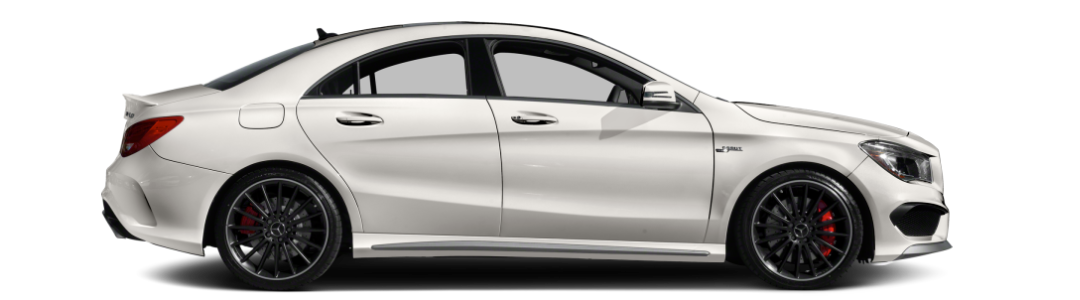
Mercedes Benz
Porsche

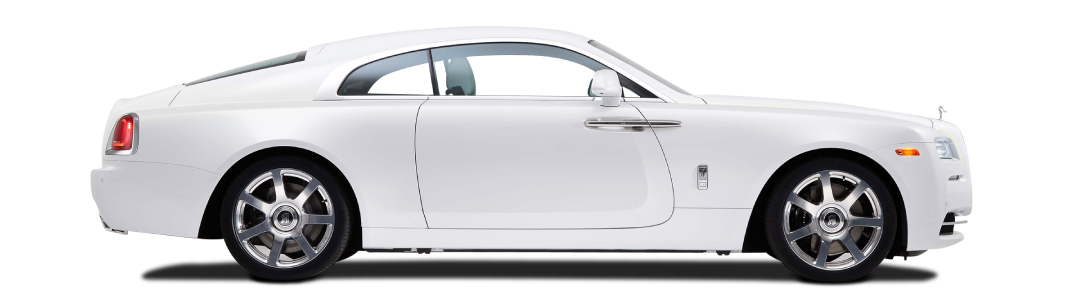
Rolls Royce
Volkswagen

Frequently Asked Questions
What does a ticking or rattling noise from the engine mean?
Location tells you more than volume. A tick from the top of a cold engine points at the valve train; a rattle for the first two seconds after startup points at the timing chain tensioner.
How much does it cost to fix an oil leak on a European car?
The gasket is rarely the expense. A valve cover gasket comes off the top of the engine quickly; a rear main seal needs the transmission out. Same description, very different bill.
What are the symptoms of a failing turbocharger?
Blue smoke at startup, a whistle that rises with boost, oil in the intake piping, and less pull than the car used to have. Shaft play gets confirmed with the intake off.
Is it worth repairing the engine in an older BMW or Audi?
Often yes, because the failure is usually one component rather than the whole engine. A timing chain or a set of injectors on a car with a sound body and transmission is money well spent.
Can I keep driving with a small oil leak?
Not for long. Oil dripping onto a hot exhaust manifold smokes and can scorch wiring, and a leak that empties the pan takes the bearings with it. Check the level weekly.
Book Engine Diagnostics at Paladin Automotive
Bring it in while it is still a gasket. Paladin Automotive is a locally owned European specialist at 5240 Spring Mountain Road B, Las Vegas, NV 89146, with ASE-certified technicians, factory-level scan tools and OEM parts. Towing to the shop is available. Hours are Monday through Friday 7:30 AM to 5:00 PM and Saturday 8:00 AM to 2:00 PM, closed Sunday. Booking is online at paladinautomotivelasvegas.com.
Let's get your vehicle back to peak
performance. Tell us what your car
needs-we'll take care of the rest.
- ASE-Certified European Specialists
- Honest Estimates & Transparent Service