 5240 Spring Mountain Road B
 (702) 368-2886
 Find Us
Brake Repair & Maintenance Services in Las Vegas
Brake Repair for European Cars in Las Vegas: Heat, Fluid and Long Grades
Brakes are the repair Las Vegas drivers put off and then pay for twice. A loaded X5 coming down off Red Rock on a Sunday morning does more real brake work in fifteen minutes than a week of surface streets, and out here heat is the whole story — pads, fluid and rotors all fail from it. Stop-and-go valley traffic finishes the job, and it costs you at the pump as well: aggressive driving lowers gas mileage by roughly 15% to 30% at highway speeds and 10% to 40% in stop-and-go traffic. If your pedal has gone long, soft or shaky, have it looked at now.
Quick Takeaways
- Fast wear is by design: European pads run a softer, higher-bite compound against a bigger rotor, so a front set lasting 25,000 to 35,000 miles is normal service life.
- Fluid absorbs water: Most European manufacturers call for a brake fluid change every two years with no mileage attached, because moisture in old fluid is what turns a firm pedal soft.
- Heat warps rotors, not salt: Repeated hard stops and long descending grades cook a disc. Nevada has no road salt to blame for any of it.
- A light names a circuit, not a part: An ABS or stability-control warning means the system stored a fault and shut itself off. A wheel-speed sensor is the usual culprit.
European Brakes Trade Pad Life for Stopping Power
That is the engineering trade. Softer friction material bites harder and sheds heat better; it also wears out sooner and leaves grey dust all over your wheels. On a BMW, Audi or Porsche, a front set lasting 25,000 to 35,000 miles is normal service life, not a defect, and a shop telling you otherwise is selling something. Rotors wear too. Most European discs leave the factory close enough to minimum thickness that they get replaced with the pads rather than cut down. Plan on the pair.
Weight matters as much as speed here, and a fully loaded SUV asks far more of the same pads than a 3 Series ever will.
Brake Fluid Is a Service Item, Not a Lifetime Fill
Brake fluid pulls water out of the air, and water boils. That is the whole reason most European manufacturers put a two-year interval on a fluid change with no mileage attached. Once the fluid is loaded with moisture, a few hard stops on a 110-degree afternoon can flash that water to vapor inside the caliper, and vapor compresses where fluid does not — which is exactly what a suddenly long, spongy pedal is telling you. Old fluid corrodes ABS valve bodies too. Two years. Put it on the calendar.
Sustained Heat Warps Rotors — Las Vegas Has No Road Salt to Blame
Rotor complaints here come from heat cycling. Full stop. Ride the brakes down the grade from Red Rock Canyon Scenic Drive and the disc glows, then the pad sits on one hot spot at the light and transfers material unevenly across the face. What you feel afterward is a pulse through the pedal or a shimmy in the wheel around 45 mph. Heat did that. The real defect is uneven disc thickness, measured in thousandths — and lug nuts run down with an impact gun will produce the same pulse on a thin European rotor, which is why torque belongs on a wrench.
→ European auto repair serving Summerlin
A shimmy that only appears above 65 mph is usually the tires rather than the rotors, and those two get diagnosed differently.
A Sticking Caliper Wears One Pad Twice as Fast
Uneven pad wear side to side is a caliper problem, not a pad problem. A dry guide pin or a swollen piston seal keeps the pad in light contact after you lift off, so it drags, overheats and glazes while its partner still looks nearly new. You smell it before you see it. On the electric parking brakes fitted to most current Mercedes, BMW and Audi models, the rear calipers have to be put into service mode with a scan tool first. Force one and you wreck the actuator. Pad-wear sensors are the other ignored warning: that dash message is a wire being ground through, and it means millimeters are left.
Worn bushings and tired struts change how weight transfers under braking, so a nose-dive that has gotten worse deserves a look underneath. And when a brake or ABS light stays on, the stored code names the circuit that failed before anyone quotes a part.



Luxury Vehicles We Service
AUDI
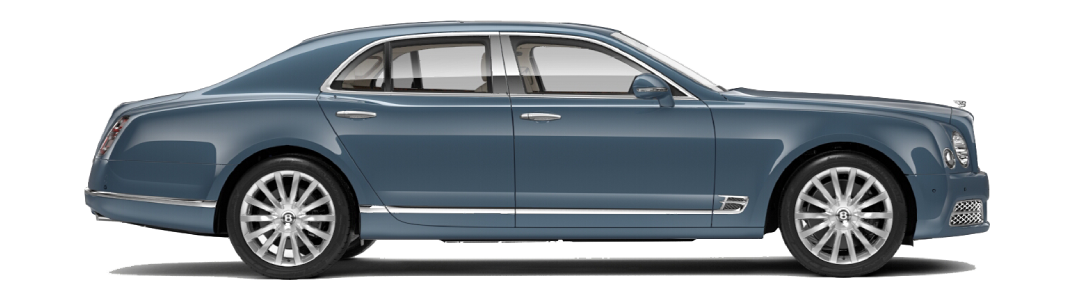
Bentley
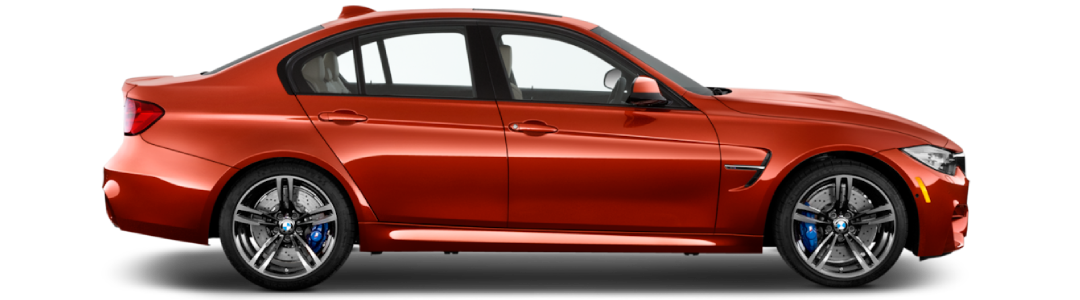
BMW
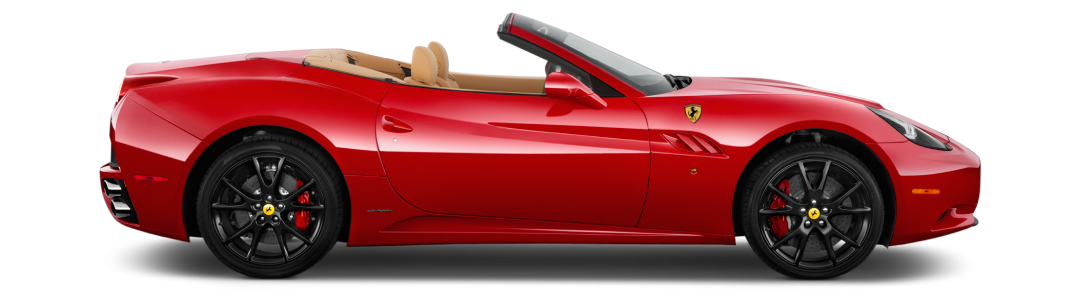
Ferrari
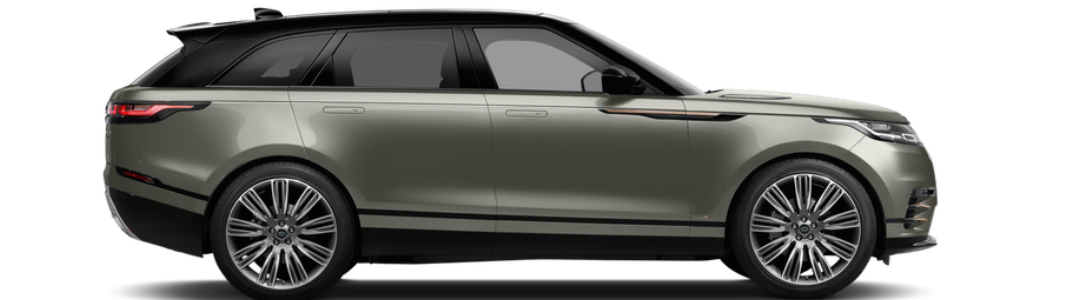
Land Rover
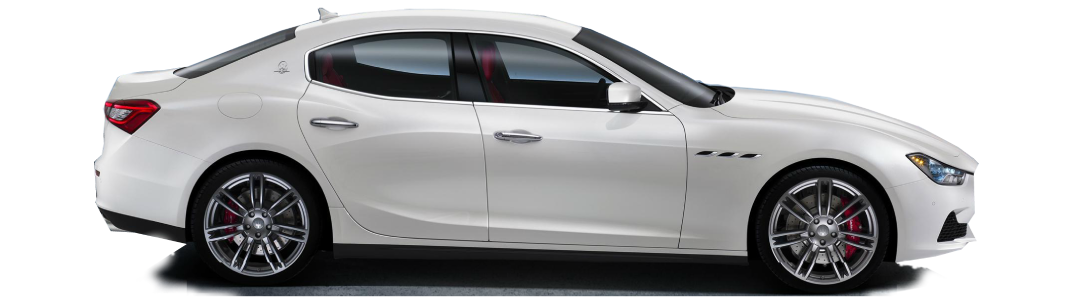
Maserati
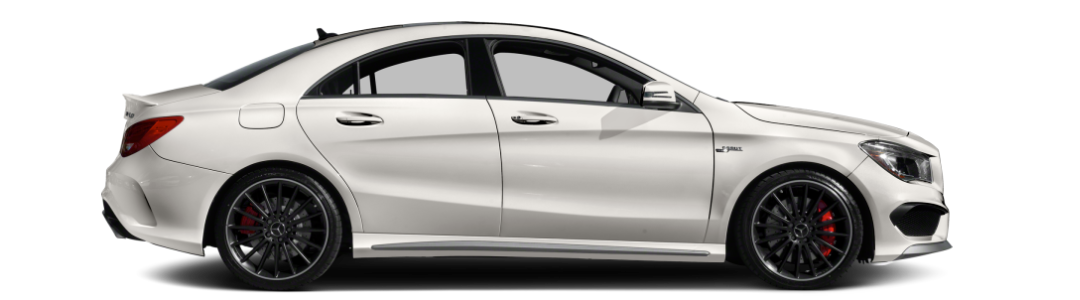
Mercedes Benz
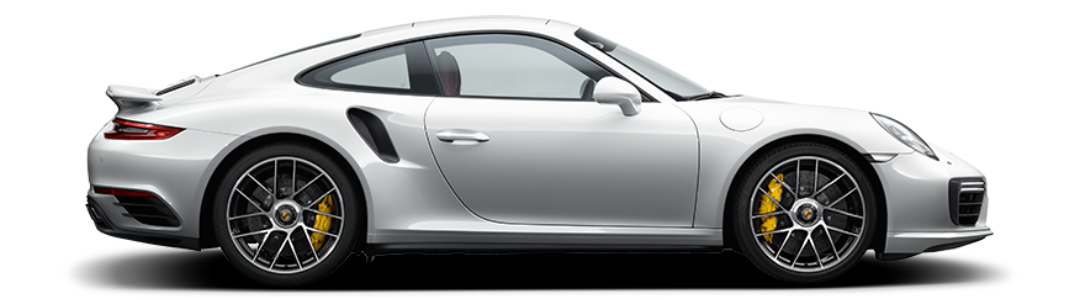
Porsche
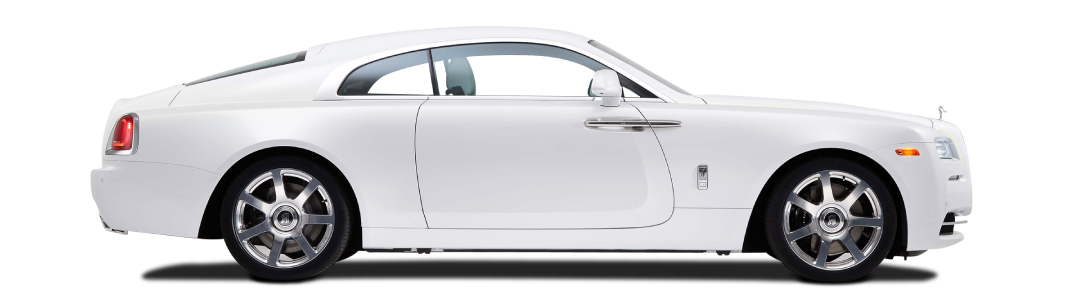
Rolls Royce
Volkswagen
Frequently Asked Question
How often should brake fluid be changed on a BMW or Mercedes?
Most European manufacturers specify every two years with no mileage qualifier — check the maintenance section of your owner's manual for your model. The reason is moisture, not wear. Fluid that has pulled water out of the air boils at a lower temperature, and in Las Vegas heat that shows up as a pedal that goes soft after a few hard stops.
Why do my brakes squeal when the pads still look thick?
Squeal is vibration, not wear. Glazed pad surfaces, missing anti-rattle shims, dry caliper guide pins and a glassy film of transfer material on the rotor all make noise with plenty of material left. Grinding is different. That one is metal on metal, and you should stop driving it.
What is the difference between a brake warning light and an ABS light?
The red brake light generally points at fluid level or the parking brake. The amber ABS light means the anti-lock system stored a fault and switched itself off, and on most European cars stability control goes offline with it. Your brakes still work, but you lose anti-lock intervention. A wheel-speed sensor is the most common cause.
Can warped rotors be resurfaced instead of replaced?
Rarely on a European car. Most discs leave the factory close to their minimum thickness, so cutting one leaves too little metal to absorb heat and the pulse comes back within months. Measure it against the figure stamped on the hat. If it is marginal, replace it.
Why do European cars go through brake pads so fast?
The compound is built for stopping power and heat resistance rather than mileage, and these cars are heavier and quicker than whatever they are being compared to. A front set lasting 25,000 to 35,000 miles is normal. Hard stops, mountain grades and daily stop-and-go traffic all pull that number lower.
Book Brake Work on Spring Mountain Road
A soft pedal or a pulse under braking will not fix itself, and brake parts get more expensive the longer they run out of spec. Paladin Automotive is a locally owned European specialist at 5240 Spring Mountain Road B, Las Vegas, NV 89146, using OEM and OE-quality parts on Audi, BMW, Mercedes-Benz, Porsche, Volkswagen, Land Rover, Bentley, Ferrari, Maserati and Rolls-Royce. Open Monday through Friday, 7:30 AM to 5:00 PM, and Saturday 8:00 AM to 2:00 PM. Closed Sunday.
Let's get your vehicle back to peak
performance. Tell us what your car
needs-we'll take care of the rest.
- ASE-Certified European Specialists
- Honest Estimates & Transparent Service