5240 Spring Mountain Road B
 (702) 368-2886
 Find Us

Suspension Repair & Maintenance Services in Las Vegas
European Auto Suspension Repair in Las Vegas: When One Corner Sits Low by Morning
You walk out at 6 a.m. and the right rear of the E-Class is on the bump stops. By the time you back down the driveway the compressor has puffed it back up, so nothing feels wrong on the way to work. It is wrong. Air suspension leaks down overnight and hides during the day, and every hour the compressor spends covering for a cracked air spring is duty cycle it will not get back. Air struts, valve blocks, ride-height sensors, control-arm bushings — this is the work that makes a heavy German sedan feel like itself again.
Quick Takeaways
- The overnight sag test: A Mercedes or Audi squatting on one corner after sitting all night has an air leak — the air spring, the valve block or a line, not the compressor.
- Fix the leak first: A compressor that runs all day holding up a cracked air spring burns out chasing it, so replace the compressor alone and you buy the same repair twice.
- Dry heat ages rubber: Air-spring bladders in this valley crack from heat cycling and ozone long before the odometer says they should.
- Tires tell on the suspension: Cupped, feathered or one-shoulder wear usually means a dead strut or a collapsed bushing rather than a bad tire.
One Corner Low Overnight Points Straight at the Air Springs
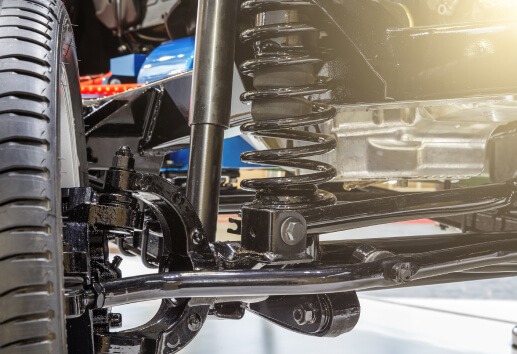
An air suspension that sags on one corner is leaking. The leak is almost never the compressor. On Mercedes AIRMATIC and Audi adaptive air suspension, the order of suspicion runs the rubber air spring bladder first, then the O-rings at the valve block, then the plastic air lines and their quick-connect fittings. A valve block that cross-leaks drops two corners instead of one. Ride-height sensors fail differently. The car sits level but picks a wrong height, or the dash throws a suspension message. A scan tool compares commanded height to actual height. That one reading separates a sensor fault from a leak.
Dry Desert Air Ages Air Springs Before the Odometer Does
Rubber air springs fail on a calendar, not a mileage schedule. The bladder flexes on every bump, and heat, ozone and single-digit humidity harden it from the outside in until the folds where the bag rolls over the piston start to craze and split. That is where the first cracks show, so the first symptom is a slow leak you only notice after the car has sat two days.
→ Land Rover repair and air suspension work
Then the compressor cycles more often, its piston rings wear, and it starts pushing hot moist air into a dryer that cannot keep up. Replace the leaking bag first. Chasing the compressor alone buys the same repair twice, and on a three-row SUV that runs the rear axle up and down every time somebody loads it, the second failure comes faster.
Struts, Bushings and Ball Joints Each Have Their Own Symptom
Different noises mean different parts. Guessing is expensive. A bouncy, floaty ride over the dips on Charleston Boulevard is worn struts or shocks — the damper has lost its oil control and the spring is doing whatever it wants. A hollow clunk over expansion seams is usually a control-arm bushing or a sway-bar end link, and a creak at low speed as the wheel turns points at a ball joint or a strut mount bearing. Steering that wanders on the 215 can be a collapsed front bushing letting the wheel move where the geometry never intended. On the lift, a pry bar and two hands find all four.
Your Tires Report Suspension Wear Before You Feel It
Read the tires. Cupped or scalloped tread across a whole tire says the strut stopped controlling rebound; wear on one shoulder says something in the geometry moved. Either way the tire is the receipt. Pressure matters too — NHTSA says properly inflated tires add about 4,700 miles to average tire life, and fueleconomy.gov puts the penalty at roughly 0.2% of fuel economy for every 1 psi of underinflation.
→ tire and wheel service for European cars
But no pressure setting saves a tire that a dead strut is hammering into the pavement. Worn dampers also let weight transfer forward harder under braking. That lengthens the stop and cooks the front pads sooner. Fix the suspension, then buy the tires. Doing it the other way around costs you both.





Luxury Vehicles We Service
AUDI
Bentley
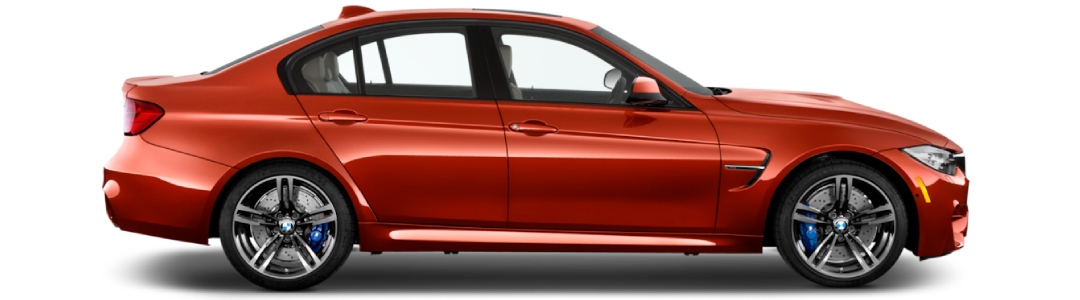
BMW
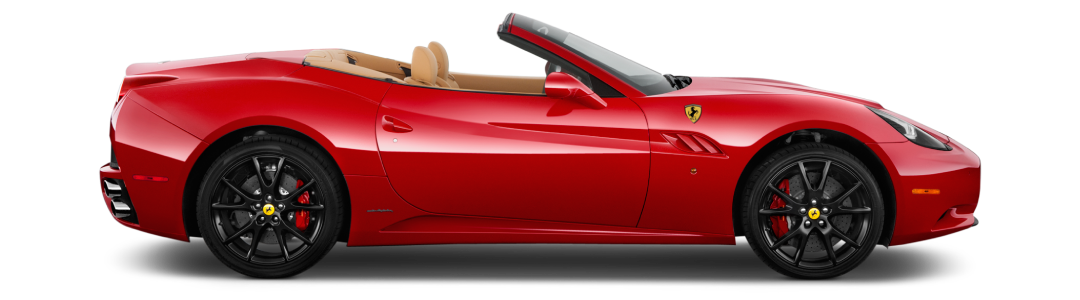
Ferrari
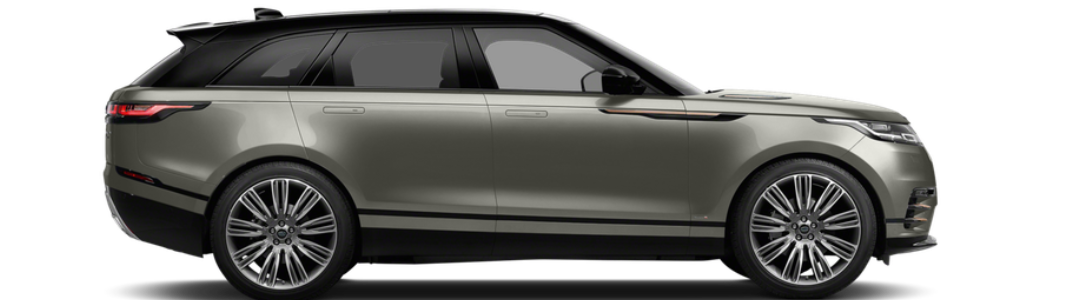
Land Rover
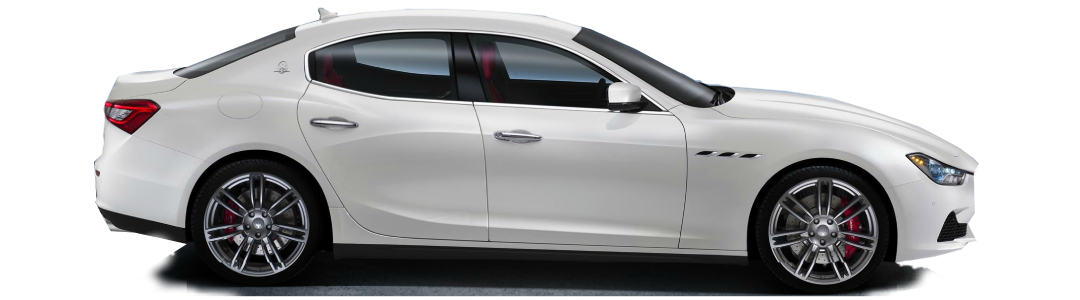
Maserati
Mercedes Benz
Porsche
Rolls Royce
Volkswagen